
Cryonics Questions and Choices
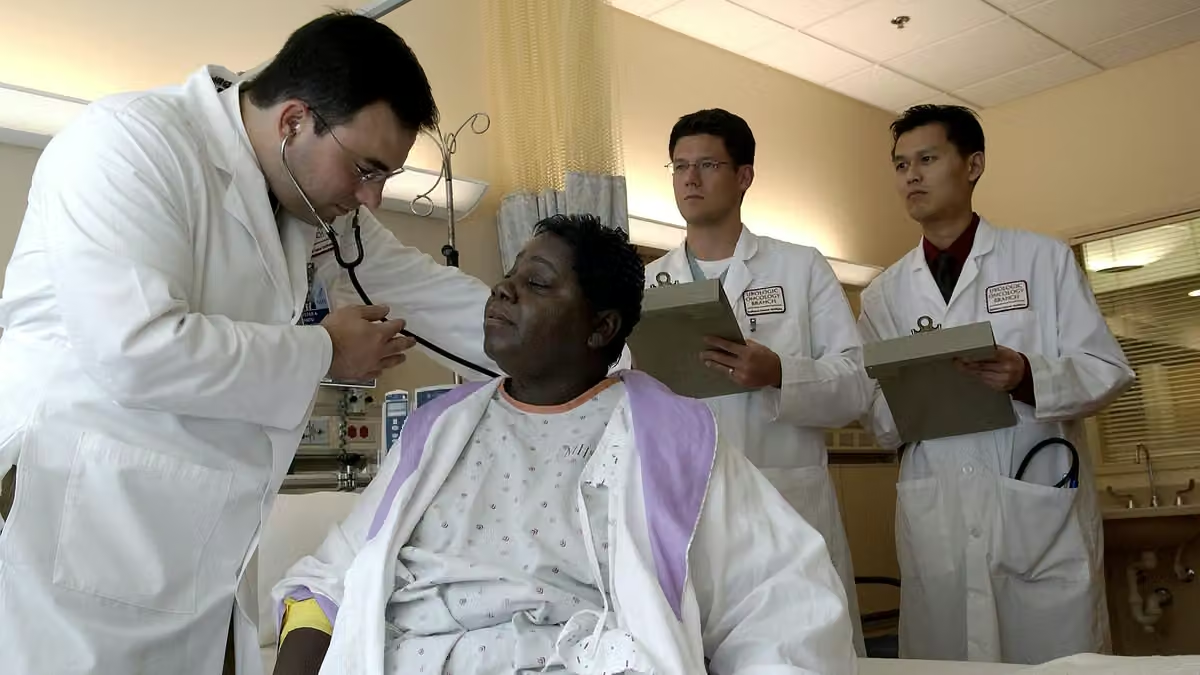
The words can appear close together in a search. Both may involve care at home. Both may matter near the end of life. Still, home health care and cryonics are distinct services.
Home health care is medical care provided in a person’s home. Nurses, therapists, aides, and other health workers may help with illness, injury, recovery, or loss of function. The goal is care while the person is alive.
Cryonics has a different purpose and a different starting point. It is an attempt to preserve a person after legal death, with the hope that a future technology might repair the damage and restore life. It does not treat a living person.
This simple line matters. A home nurse is not a cryonics team. A home care agency is not a cryonics provider. A person receiving home care is not already in a cryonics process.
Where the confusion begins
The confusion often comes from the word “home.” Cryonics planning may include arrangements that happen at home. A standby team may wait near a person who is expected to die. Its task is to be ready if death occurs and if the legal and practical conditions allow further steps.
Standby does not mean treatment. The team does not preserve a living person. It waits for an authorized declaration of death. Only then can procedures such as cooling, circulation support, and transport begin.
The exact work varies by provider and place. In simple terms, the aim is to slow changes in the body before transport. Later, at a suitable facility, preservation may use very low temperatures and special solutions. These steps are part of cryonics. They are not home nursing.
That difference also shapes the people involved. Home health care works within health care systems. Cryonics may involve a preservation provider, trained transport staff, legal officials, doctors, and local services. The people and duties are not the same.
A home care worker may help with bathing, medicine support, movement, wound care, or therapy. The details depend on the person’s condition and local rules. Such care may help a person stay at home or recover from illness.
A cryonics team has a later and narrower role. It may help carry out a preservation plan after death. It does not replace doctors, nurses, emergency workers, or hospice staff. It does not decide when legal death has occurred.
What a home care plan can and cannot mean
A person may receive home health care and also have a separate cryonics plan. The two can exist at the same time, but they serve different needs.
Home health care concerns present health. It may aim to improve a condition, keep a person stable, or slow decline. Cryonics concerns a possible future. Its purpose is to preserve the body or brain after legal death, with no accepted proof that a preserved human can later be revived.
This last point deserves plain words. No human cryonics patient has been revived. The hope rests on future advances in medicine, repair, and science. That hope may be meaningful to some people. It is still a hope, not a current medical result.
Research on cells, tissues, organs, embryos, and animals can show that some forms of cooling or preservation are possible. Such findings do not show that a human cryonics patient can be restored. The scale and damage are different.
The same care is needed with digital ideas. A recorded voice, photo archive, or artificial intelligence model may preserve information about someone. It does not prove that the person’s mind, identity, or consciousness continues. Digital records may support memory or family history. They do not settle the question of survival.
I think this is where calm language helps. Cryonics is neither ordinary health care nor a proven path to recovery. It is a post-death preservation attempt built around uncertain future science.
The practical boundary
The legal boundary is also clear, even when local details are complex. Cryonics procedures begin only after an authorized declaration of death. Before that point, care belongs to ordinary medical and personal support systems.
After death, time may matter to a preservation team. Delays can affect the condition of the body. This is why providers may discuss standby, local contacts, transport, paperwork, funding, and communication plans.
These plans are not the same as home health care plans. They may involve different contracts, costs, staff, and legal duties. Cross-border transport can add more rules. Requirements vary by country and by personal situation.
A home health agency may have no role in cryonics. A cryonics provider may have no role in daily care. Clear boundaries can prevent families and care teams from expecting one service to perform the work of the other.
There is also a human reason to keep the services separate. A person receiving care deserves care focused on comfort, safety, treatment, and dignity. Cryonics planning should not turn normal medical care into a means to reach preservation. The two questions need their own honest answers.
The first question is about care now. What support does the living person need? The second is about a possible future after death. Is a preservation plan available, lawful, funded, and understood by the people who may need to carry it out?
Those questions can sit beside each other. They should not be merged.
This distinction does not make cryonics less serious. It makes the choice clearer. Home health care belongs to present medicine. Cryonics belongs to experimental preservation after legal death. Each has its own limits.
For me, the most honest view holds both facts at once. Home care can offer real help today. Cryonics offers no proven recovery, but it may represent a person’s wish to leave a future possibility open. That possibility should be described without turning it into a promise.
The Longer Horizon keeps one clear question in view: what can cryonics and future preservation honestly mean when hope must live beside uncertainty?
Article by Lea Varga ·