
Cryonics Questions and Choices
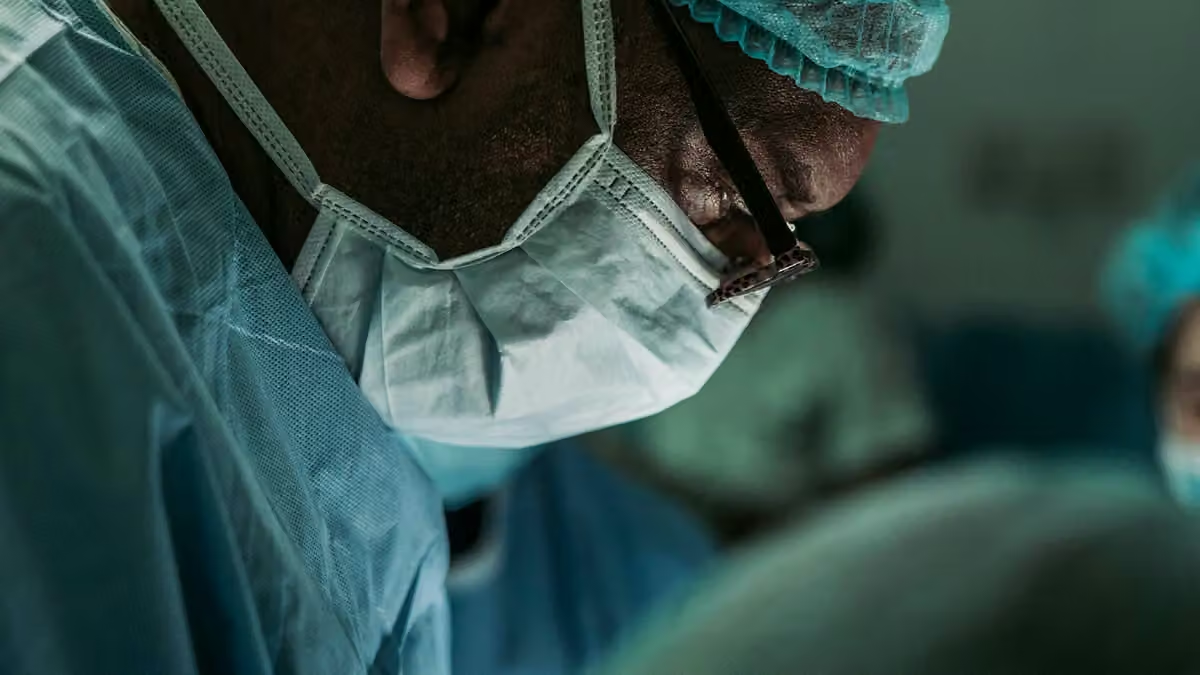
What does cryonics try to protect when ordinary medicine can do no more?
That is the hard question under the whole idea. Cryonics is not about freezing a person for a future cure in the simple way many people imagine. It is about trying to keep the structure of life, especially the brain, from being lost after legal death.
That aim is modest in one sense and very large in another. It does not promise revival. It tries to prevent the kind of loss that ends any future chance at all.
What cryonics is trying to do
Cryonics begins only after a person has been declared legally dead. That point matters. It is not a treatment for someone who is still alive.
After that, the aim is to slow the damage that starts at once. First comes standby, when a team stays ready near the patient. Then comes stabilization, which is meant to limit the harm caused by the long delay between death and colder storage. Transport follows. Then the preservation step, where the body or brain is cooled with special fluids that reduce ice damage.
The basic hope is simple. If the fine structure of the brain can be kept intact, future medicine might one day understand how to repair what time destroyed.
That is a hope, not a fact. No human cryonics patient has been revived.
Why structure matters so much
People often speak about cryonics as if it were only about keeping tissue from thawing. That is too simple. The deeper question is whether the tiny patterns in the brain survive well enough to matter later.
Memory, habits, and personality are not stored in a neat file cabinet. They are tied to physical structure. If that structure is ruined, the person is lost in any practical sense. If it is preserved well, some people think a future repair may still be worth imagining.
That is why cryonics focuses so much on the brain. It is also why terms like vitrification matter. Vitrification means turning tissue into a glass-like state instead of letting ice crystals form. Ice can tear cells apart. A glass-like state may reduce that damage.
This is not the same as saying the person is safe. It only means the attempt is aimed at reducing loss.
A small example
Think of a paper map in rain. If it gets soaked and torn, the roads may be unreadable. If it is placed quickly inside a dry folder, more of the map survives.
Cryonics is trying to do something similar, but with human tissue and much higher stakes. The goal is not to make the map new. The goal is to keep enough of it from disappearing that it might still be read later.
That image is useful, but only up to a point. A human brain is far more complex than a map, and damage in cryonics is far more serious than a wet page. The example only shows the logic of preservation. It does not prove success.
Why the field still speaks in careful words
Cryonics sits between medicine, preservation science, and future hope. It borrows methods from cryobiology, the study of how cells and tissues behave at low temperatures. It also leans on transport systems, legal steps, and planning that vary by country and circumstance.
Some laboratory work has shown that better preservation of brain structure is possible in animal tissue. That is interesting, and it has pushed the field forward. But animal results are not human revival evidence. A preserved brain picture is not the same as a returned person.
This is where honesty matters. It is easy to let a striking image become a promise. A clear mind has to stop that move. The fact that a structure can be preserved better does not mean a human mind will return.
Standby, stabilization, and transport
These terms sound technical, but the idea is plain.
Standby means being ready at the right place and time. If cryonics is to begin after legal death, delays can matter a great deal.
Stabilization means trying to slow the changes that start after death. That can include cooling and other steps meant to reduce damage before long transport.
Transport means moving the patient to the preservation site in a way that keeps the process going. In Europe, this can be complicated. Laws, distance, and provider arrangements differ from place to place. There is no single simple route that fits every case.
This practical side is easy to overlook. Yet cryonics is not only a theory. It is also a chain of timing, logistics, and legal order. If one link fails, the rest grows weaker.
Digital ideas and their limits
Some people now pair cryonics with digital ideas. They talk about brain scans, memory models, or AI systems that might echo a person’s voice or habits later.
That is a different kind of preservation. A digital model can store patterns, stories, and style. It can even feel convincing. But it is not a proven continuation of personal consciousness. It is a representation, not a returned self.
Still, these tools can matter in a narrow way. They can remind us that identity is built from patterns, not mystery alone. They can also show how much of a person may be left in words, images, and remembered choices. Yet they do not remove the hard question that cryonics asks.
What is true loss? It is not only death. It is the point where even the chance of recovery is gone.
What cryonics asks of a reader
Cryonics asks for patience with uncertainty. It asks for a calm mind in a field full of strong wishes. Some people come to it because they fear death. Others come because they dislike closing a door that might still have a handle.
I find that tension human. The wish to preserve life is old. The methods here are new, and imperfect. That gap should stay visible.
So the honest lesson is this. Cryonics is an attempt to hold off true loss by preserving as much of life’s physical basis as possible after legal death. It is a serious question, but not a solved one.
With that in mind, the reader can now tell the difference between preservation and revival, between structure and survival, and between a real possibility and a story that only feels comforting.
That is also the kind of clear question The Longer Horizon keeps in view, with its quiet focus on what hope can honestly mean.
Article by Lea Varga ·