
Standby, Stabilization and Transport
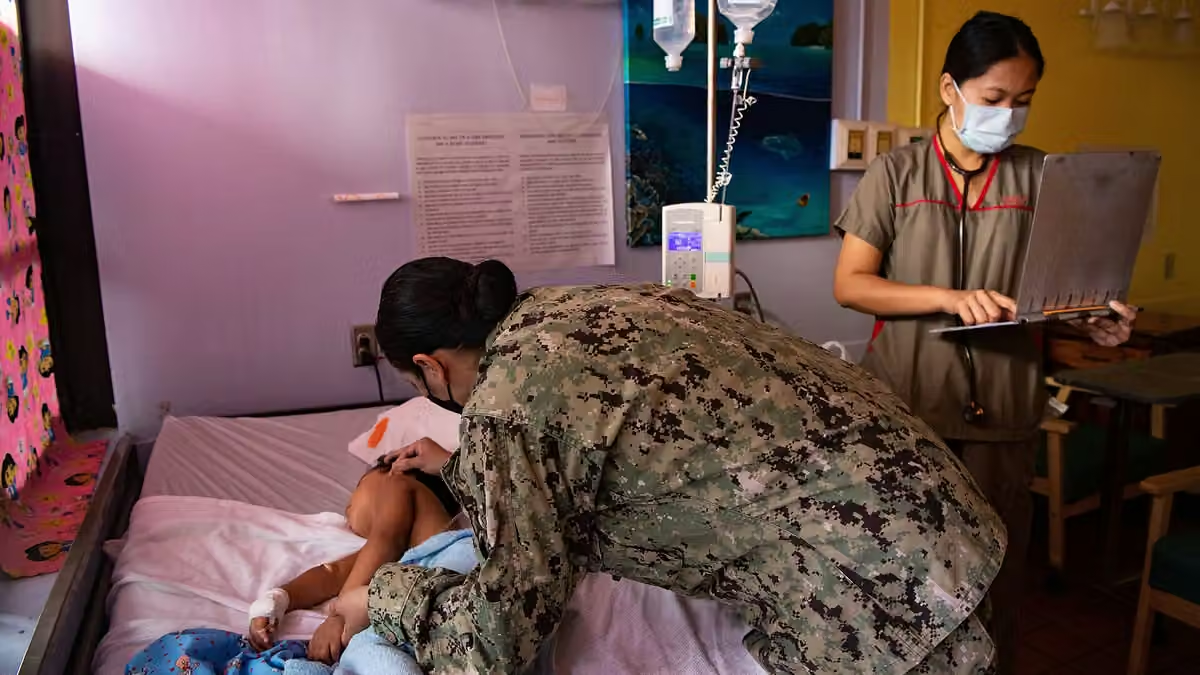
Transport delays shorten life expectancy for stabilized patients. That is the plain answer, and it is the part that matters most when time is already thin.
I keep coming back to one hard fact: stabilization is not the end of risk. It is a bridge. It tries to slow damage after legal death has been declared, but every extra hour before cooling, transport, and preservation can add more loss.
In cryonics, “stabilization” means the steps taken after legal death to protect the brain and body from more injury. That can include cooling, circulation support, and sometimes replacing blood with a cold preservation fluid. These steps are meant to reduce damage before the patient reaches long-term preservation. They do not erase the damage that has already happened.
Transport is where delay becomes expensive. A patient who has been stabilized still needs fast movement to the place where full preservation can begin. If transport takes too long, the body stays warm longer, and warm tissue damage continues. Even when a team works well, the clock keeps moving.
That is why short delays matter so much. In cryonics practice, the first hours are often described as the most important. If the team can begin quickly, more of the brain’s structure may be protected. If transport is slow, that chance falls. The point is not dramatic. It is simple. Time adds up, and the body does not wait.
I think this is where some readers want a cleaner answer than the facts allow. They want a line that says stabilization solves the problem. It does not. It only lowers the damage that delay would cause. The later the transfer, the less life-like tissue remains to preserve.
The same rule appears in ordinary emergency medicine. Doctors try to move patients only after they are stable enough to move. If transport starts too early, the patient can get worse on the road. If transport is too late, treatment is delayed and more organs can suffer. Cryonics borrows this same plain idea, though the goal is different.
For cryonics, the main concern is not a living recovery in the present. The concern is how much information in the brain can be kept from falling apart after legal death. That is why standby and stabilization exist at all. They try to reduce the harm that time does before the patient reaches cold storage.
There is still an honest limit here. We do not have revived human cryonics patients, so nobody can prove how much any delay will matter in the far future. We can only judge by present damage, by tissue injury, and by how cold, fast, and complete the transport chain is. That leaves uncertainty. It also leaves a practical truth. Delay is bad for preservation, even if the exact future effect cannot be measured in a final way.
This is also why cross-border transport and long-distance cases are so difficult. Provider rules, local law, and funding arrangements vary by country and by personal situation. A patient may be stabilized well, yet still face a slow transfer because the legal, medical, or logistical path is long. High-level planning can reduce that risk, but it cannot remove it.
I do not find this comforting. I find it clear. Cryonics depends on narrow margins. Transport is one of the narrowest. If the transfer is delayed, the preserved result is usually weaker. If the transfer is fast, the odds are better, though never guaranteed.
That is the honest shape of the answer. Transport delays shorten life expectancy for stabilized patients because every extra hour gives more time for damage to spread. Stabilization helps, but it is not enough by itself. The system still depends on speed, cooling, and a chain that works without pause.
The Longer Horizon asks what hope can honestly mean, and this is part of the answer. Hope is not a promise that delay does not matter. It is the harder idea that some time can still be saved, if the steps before preservation are fast enough.
Article by Lea Varga ·