
Cryonics Questions and Choices
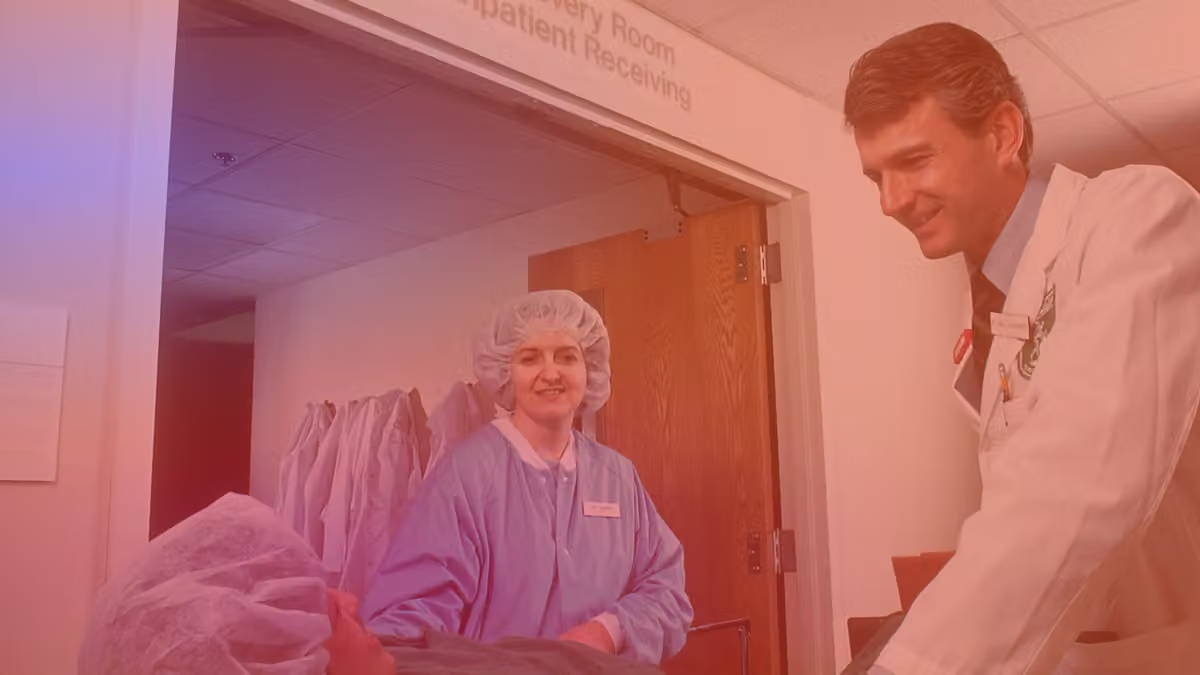
A cryonics patient in the Pacific Northwest is part of a longer chain of care, not a single frozen moment. The question is simple: what happens between the legal declaration of death and long-term preservation?
That gap matters. In cryonics, the first steps are about speed, order, and temperature. The patient is not treated as if current medicine can restore life. The aim is to slow damage after death has already been declared, in the hope that future medicine may one day do what today’s medicine cannot.
In the Pacific Northwest, local meetings help people understand that chain before it is ever needed. They are usually about the practical side of cryonics. People talk about standby, stabilization, transport, and preservation. These words can sound technical, but each one has a plain meaning.
Standby means being ready when a death is expected or has just been declared. Stabilization means trying to slow further damage with cooling and careful handling. Transport means moving the patient to a preservation facility. Preservation means keeping the body at very low temperature after the earlier steps are done.
The Pacific Northwest is a large region, and distance changes the work. A patient may need local response first, then a longer transfer to a preservation site. That makes planning important. It also makes community matter. Local meetings give members and interested families a place to ask basic questions before a crisis.
That is one reason these meetings exist. They are not only for experts. They also help ordinary people hear the real terms, the real limits, and the real uncertainties. Cryonics is not a medical treatment for a living person. It begins only after lawful death has been declared. And no human cryonics patient has been revived.
That last fact should stay in view. It is easy to let hope run ahead of evidence. I think that is a mistake. Hope has value when it stays honest. Cryonics offers a possibility, not a promise. It asks a hard question about future repair, future tools, and future knowledge.
A small example makes this clearer. Imagine a person in Portland who has made cryonics arrangements. If that person dies, the local concern is not a dramatic science-fiction rescue. It is a practical sequence. A team must respond. Cooling must begin. Documents must be in order. Transport must be arranged. Each step is meant to reduce delay and disorder.
This is where the Pacific Northwest meetings become useful. They let people learn what response can look like in a region with its own geography and its own travel demands. They also make the subject less abstract. Cryonics can feel distant until one sees how much of it is about timing, packaging, and careful handoff.
Digital ideas sometimes enter the conversation here, but only as side notes. Some people wonder whether an archive, a model, or a digital copy of a person could help preserve identity. That is a real question, but it does not solve the cryonics problem by itself. A record is not the same thing as a recovered life. A model is not proof of consciousness. A preserved brain is not a restored person.
So the honest lesson is narrower and stronger. Cryonics patients in the Pacific Northwest are preserved through a regional chain of readiness, cooling, transport, and long-term storage. The process depends on paperwork, logistics, and people who understand the sequence. It does not depend on certainty.
That leaves the reader with a clearer view. You can now see what “preserved in the Pacific Northwest” really means in practice. It means a local human network is trying to carry one fragile question into the future, step by step, without pretending the answer is already known.
The Longer Horizon keeps that same plain question in view: what can hope honestly mean when the future is the only place that may answer?
Article by Lea Varga ·